Rose and Butterfly Monogram: A Charming Font for Elegant Designs
There’s a certain magic in a design that feels both personal and polished. It’s the kind of work that stops a scroller in their tracks or makes a recipient hold a card a little longer. Achieving that effect often comes down to one crucial element: the typeface. While clean sans serif fonts are workhorses and classic serif fonts convey tradition, sometimes a project calls for something with more heart, more story. Enter the Rose and Butterfly Monogram font. This isn't just another script font; it's a carefully crafted decorative typeface that blends floral elegance with whimsical charm. Its authentic, hand-drawn feel makes it a standout choice for designers and creators looking to inject warmth and personality into their work.
Anatomy of a Charming Typeface
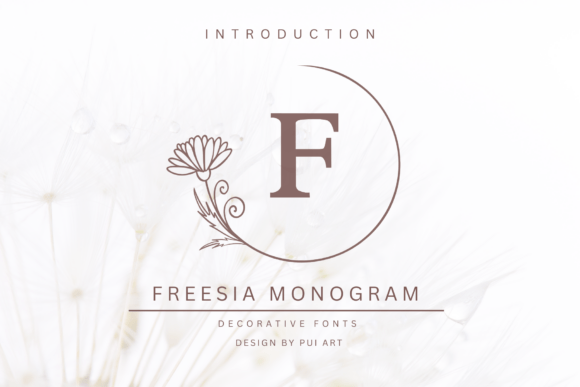
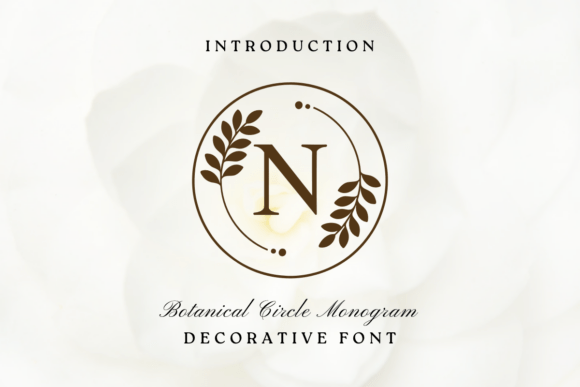
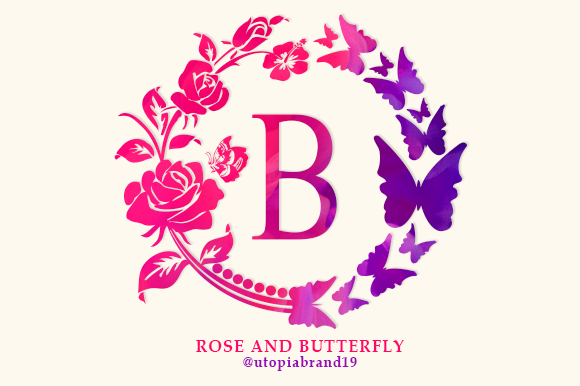
At its core, Rose and Butterfly Monogram is a display font designed for impact at larger sizes. Its visual style is unmistakably romantic and organic. The letterforms are characterized by flowing, connected strokes that mimic natural handwriting, but with a refined consistency that ensures legibility. The true magic lies in the details: delicate floral swashes, subtle leaf motifs, and charming butterfly illustrations are often integrated into the capital letters and special characters. This transforms simple typography into decorative art. The overall personality is one of gentle sophistication—it’s feminine without being overly frilly, and artistic without sacrificing clarity. It’s the kind of premium font that feels like a discovery, a design asset that instantly elevates a project’s perceived value.
Where This Creative Font Truly Shines
Understanding a font’s strengths is key to using it effectively. The Rose and Butterfly Monogram typeface excels in applications where emotion and aesthetics are paramount. It’s less suited for body text in a long report and more at home where it can command attention as a headline or accent.
- Invitations and Stationery: This is its natural habitat. Wedding invitations, baby shower announcements, and boutique stationery sets come alive with this font. It sets a tone of celebration and care from the very first glance.
- Logo Design and Brand Identity: For businesses in the wellness, beauty, floral, or artisanal product spaces, this font can be a cornerstone of a brand identity. A bakery, a floral studio, or a handmade cosmetics line can use it for a logo that feels authentic and connected to its craft. Pairing it with a simple sans serif font for body copy creates a beautiful, professional contrast.
- Digital and Social Media Graphics: In the crowded space of social media, unique typography stands out. Use Rose and Butterfly Monogram for eye-catching Instagram quote graphics, Pinterest pins, or Facebook event headers. It adds a layer of visual interest that stock fonts simply cannot provide.
- Packaging and Editorial Design: On product labels, gift tags, or the cover of a cookbook, this font adds a tactile, artisanal quality. In editorial design, it can be used for chapter titles in a lifestyle magazine or a book cover in the romance or poetry genre.
- Greeting Cards and Personal Projects: For crafters and hobbyists, this font is a dream. It allows you to create professional-looking greeting cards, scrapbook layouts, and personalized gifts that have a truly custom feel.
Making It Work: Practical Guidance for Designers and Creators
Choosing the right font is a strategic decision. Here’s how to evaluate if Rose and Butterfly Monogram is the right fit for your project and how to use it with impact.
Evaluating Project Fit and Audience
First, consider your audience and message. This font speaks to an audience that appreciates beauty, detail, and a touch of nostalgia. It’s perfect for projects targeting women 20-50, particularly in lifestyle, wedding, and small business markets. If your brand voice is modern, minimalist, and starkly corporate, this might not align. However, if your voice is warm, inviting, and story-driven, it’s an excellent match.
Mastering Font Pairing and Hierarchy
No font should work in isolation. The key to professional typography is effective font pairing. Rose and Butterfly Monogram demands a partner that doesn’t compete. Its ornate nature means it pairs best with clean, simple typefaces.
- For a balanced look: Pair it with a neutral sans serif font like Montserrat, Lato, or Open Sans. Use the monogram font for headlines and the sans serif for paragraphs or supporting text.
- For a classic, elegant feel: It can also work with a simple, traditional serif font like Garamond or Times New Roman, though this combination requires careful sizing to avoid looking heavy.
Always test your pairings at the size they’ll be used. Ensure there is enough contrast in weight and style to create a clear visual hierarchy, guiding the reader’s eye from the most important element (your headline) to the supporting information.
Considering Readability and Licensing
As a display font, readability decreases significantly at small sizes or in long blocks of text. Use it for short headlines, logos, and accents—never for body copy. Before purchasing any commercial font, always review the license. Check if it covers your intended use: a single logo project, unlimited commercial projects, or print-on-demand goods. Reputable foundries are clear about their licensing terms.
Exploring the Full Style Range
Many premium fonts come with more than just the basic alphabet. Look for what’s included with Rose and Butterfly Monogram. Does it have multiple stylistic alternates? Are there additional swashes or ligatures? Are there separate files for the floral elements? Understanding the full range of design assets included allows you to unlock the font’s full creative potential, making each use feel unique.
In a world of digital sameness, choosing a font like Rose and Butterfly Monogram is a deliberate choice to stand out. It’s more than just letters on a page; it’s a tool for storytelling, a way to build a brand identity that feels human, and a means to create social media graphics and physical products that resonate on an emotional level. By using it thoughtfully—respecting its strengths, pairing it wisely, and applying it to the right projects—you can transform good design into something truly unforgettable.